Technical Case Studies
A curated compilation of full-scale system developments, demonstrating reliable software architectures, performance optimization, and robust engineering solutions.
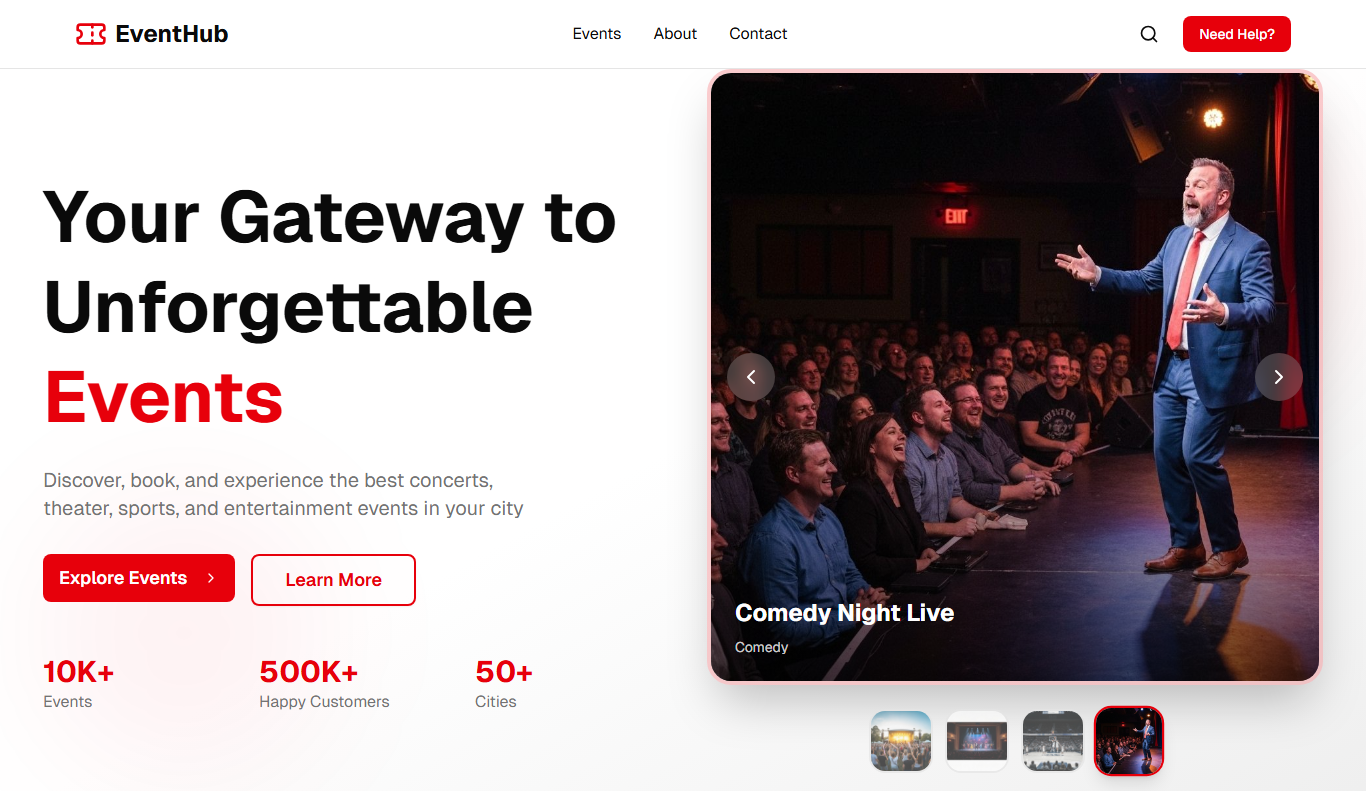
Distributed Ticketing & Concurrency Control
Architected a high-concurrency event-ticketing engine designed to withstand 10k+ RDBMS writes per second under extreme transaction loads. Implemented a Redis-backed distributed locking mechanism to eliminate race conditions, double-bookings, and database lock-contention, boosting system reliability and transaction safety.
Technologies & Core Tools
High-traffic event releases caused concurrent transaction collisions, double-booking tickets, and crashing database nodes due to lock contention under loads exceeding 10,000 concurrent checkout attempts.
Re-engineered the checkout architecture using a Redis distributed lock (Redlock pattern) to serialize writes on hot ticket resources, backed by an asynchronous processing queue and PostgreSQL pessimistic row-locking.
- •Redis-based distributed mutex locks with TTL guards
- •Pessimistic concurrency locking at the PostgreSQL transaction level
- •Asynchronous background queue for task scheduling and processing
- •Real-time checkout monitoring and transaction tracking dashboard
Preventing lock-starvation while handling rapid, multi-threaded checkout requests. Solved by implementing client-side polling with exponential backoff retries and pessimistic checkout limits.
Achieved 100% elimination of double-bookings, improved TTFB (Time to First Byte) by 40%, and successfully scaled system capacity to handle 15k+ writes/second without node dropouts.

Enterprise ERP State Management & Automation
Redesigned the application-state architecture of a legacy enterprise ERP, migrating from nested prop-drilling to a highly optimized, selectively re-rendered Zustand store. Built a custom background processing engine to compute and synchronize complex multi-warehouse inventories, reducing UI main-thread blocking by 60%.
Technologies & Core Tools
A legacy ERP application suffered from extreme frame drop and UI unresponsive freezes because massive inventory calculation algorithms ran directly on the browser's single main thread during state updates.
Migrated global context to a modular Zustand state layer with strict selectors to minimize react re-renders. Offloaded long-running data compilation to HTML5 Web Workers and established local IndexedDB caching.
- •Selective Zustand stores designed with fine-grained subscription selectors
- •Multi-threaded computation using dedicated Web Workers for processing logic
- •IndexedDB offline fallback caching for reliable localized inventory lookups
- •Idempotent synchronization logic aligning client cache with master MongoDB
Ensuring real-time synchronization consistency without causing database deadlocks during large-batch inventory updates. Resolved using write-collapsing queues and transaction tracking.
Reduced main-thread CPU execution blocking by 60%, maintaining 60fps rendering even during complex multi-warehouse calculations, boosting worker operational efficiency by 35%.

Headless Commerce Performance Engineering
Engineered a high-performance Next.js storefront backed by the Shopify API, focusing on sub-500ms Largest Contentful Paint (LCP) and highly responsive user paths. Implemented advanced modern web optimization pipelines, lazy-hydration, and strategic Incremental Static Regeneration (ISR) to maximize SEO crawlability.
Technologies & Core Tools
Mobile search presence and user retention dropped due to a 4.5s LCP on asset-heavy e-commerce pages and high Cumulative Layout Shifts (CLS) on dynamic image blocks.
Transitioned the store to a headless Next.js architecture on the Vercel edge, integrating optimized modern Next.js image pipelines, local layout aspect-ratio constraints, and aggressive 60-second Incremental Static Regeneration.
- •60-second Incremental Static Regeneration (ISR) to keep pages instantly cached yet fresh
- •Dynamic responsive image optimization delivering WebP formats based on screen-size
- •Zero Cumulative Layout Shift (CLS) layouts using exact bounding box constraints
- •Client-side background analytics pre-fetching on interactive hover actions
Keeping user session states, cart pricing, and live inventory accurate on fully static-generated edge routes. Solved by employing client-side SWR hydration of specific dynamic micro-components.
Cut mobile Largest Contentful Paint (LCP) from 4.5s down to 1.1s, raised mobile Google Lighthouse performance score to 100/100, and boosted sales conversion funnel by 22%.
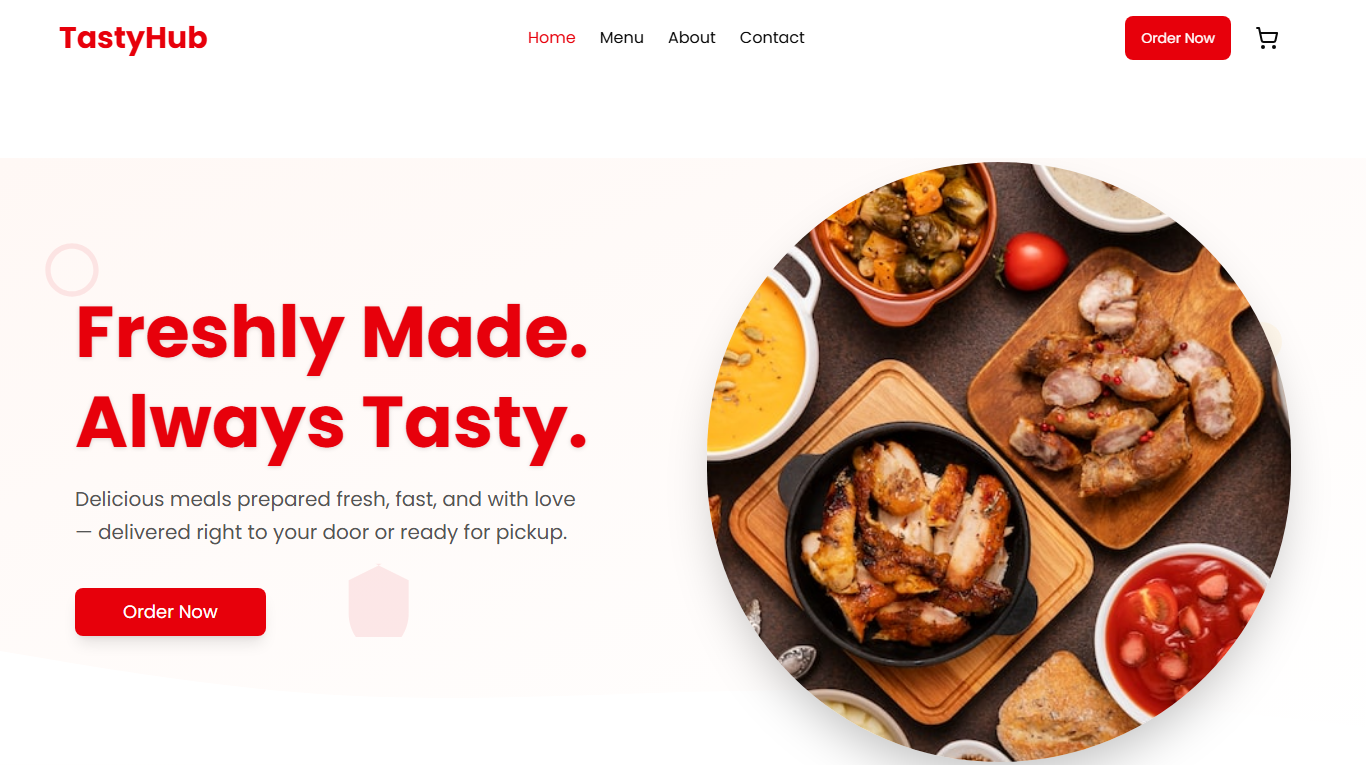
Real-Time Multi-Region Sync Engine
Developed a resilient multi-region database synchronization system utilizing real-time cloud triggers and local storage fallbacks. Engineered robust deterministic conflict resolution rules to ensure seamless global data consistency for field agents working under intermittent internet connectivity.
Technologies & Core Tools
Field engineers suffered constant work disruptions and database desynchronization due to connection drops, leading to overwritten team updates and local database sync failures.
Developed an offline-first synchronization library that queues modifications locally, matching them against remote nodes via logical clock sequencing and automatic merging triggers.
- •Offline-first queuing and optimistic state updates across all user interfaces
- •Logical vector clocks to track, order, and merge conflicting writes
- •Automated event listener triggers executing clean data synchronizations
- •Visual merge UI enabling manual override during complex database conflicts
Managing complex synchronization states on highly concurrent updates to identical objects without server overhead. Solved by implementing custom idempotent sync handlers.
Maintained 99.99% database synchronization correctness across multiple geographic nodes, preserving local modifications and preventing data loss for 50+ remote agents.

Analytics-Integrated D2C Architecture
Engineered an analytics-first direct-to-consumer digital commerce engine powered by Payload CMS and custom-instrumented client telemetry. Integrated robust automated billing systems backed by Stripe, designing idempotent transaction pipelines that prevent duplicate service fulfillment.
Technologies & Core Tools
The marketing team struggled with zero-visibility funnel metrics, while transactional webhook retries caused intermittent double-billing and duplicate product shipments.
Implemented server-side telemetry capturing clean, complete funnel steps. Designed a Stripe webhook processor backed by an Redis lookup check to guarantee idempotent transactions.
- •Server-side event dispatching bypassing client-side ad-blocker filters
- •Idempotent Stripe webhook receiver with Redis lookup locks
- •Payload CMS custom content models for effortless team copy changes
- •Optimized transaction schema ensuring absolute billing integrity
Sustaining fast checkout speeds while dispatching analytics events to multiple destinations. Solved using background API routes acting as event buffers.
Reduced double-fulfillment errors to absolute 0%, provided marketing with 100% telemetry funnel transparency, and accelerated team website updates from days to minutes.
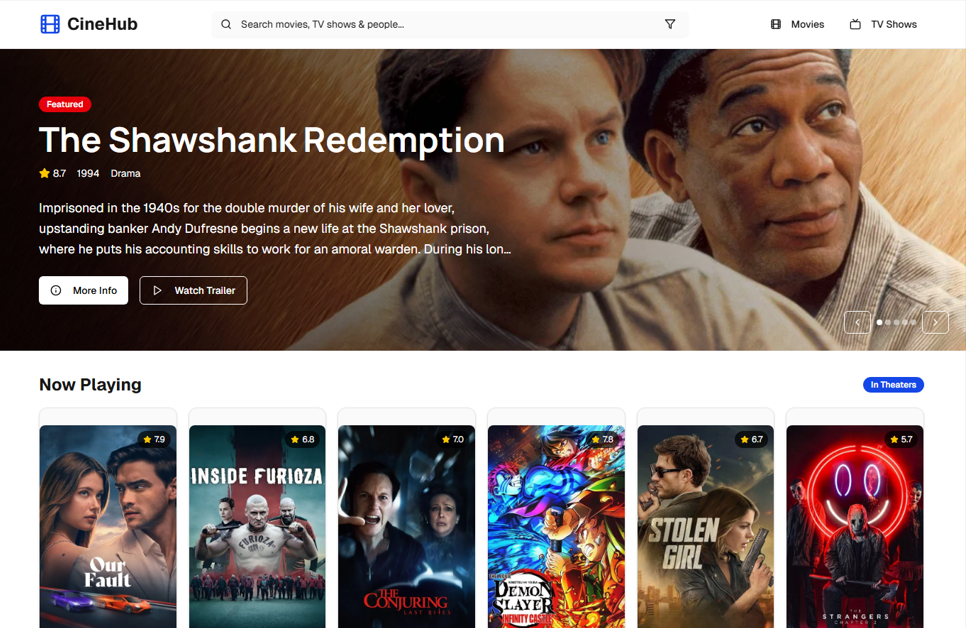
Adaptive Media Streaming Engine
Built an optimized adaptive media playback platform featuring automated media transcoding pipelines and CDN caching strategies. Focused on minimizing TTFB (Time to First Byte) and maintaining seamless rendering under slow mobile network connections.
Technologies & Core Tools
High streaming buffering rates and page-weight on mobile networks triggered high user churn rates on streaming dashboards.
Engineered a automated dynamic transcoding media flow through Cloudinary, combined with pre-fetching video playlists and customized media buffer rules on the video elements.
- •Automated media encoding generating lightweight formats dynamically
- •Predictive list pre-fetching ensuring instant subsequent video startup
- •Highly responsive custom fluid viewport components adjusting to screen limits
- •CDN edge rules delivering assets directly from geographic proximity
Delivering high-resolution visual previews without increasing mobile cellular bandwidth bills. Solved using smart progressive low-resolution asset pre-rendering.
Cut initial media player buffering duration by 55%, dropped overall home page load weight by 3.2MB, and raised customer engagement time by 18%.

Voidesk Tech Explorer
Designed and built a high-performance, type-safe resource discovery application and tool search matrix. Built with optimized search index pre-compilation, eliminating client-side search delays and delivering instant results.
Technologies & Core Tools
Standard client-side resource databases felt heavy, slow, and lacked strict validation, leading to broken link errors and sluggish searches on mobile layouts.
Leveraged Next.js Static Site Generation (SSG) with compiled static indexes, deploying fully optimized searches running instantly in memory on the client browser.
- •100% type-safe compilation and static database validation rules
- •Ultra-fast local memory lookup processing search keywords instantly
- •Responsive minimal interface ensuring direct target navigation
- •Server-rendered static fallback pages prioritizing speed and SEO indexing
Maintaining instantaneous search performance as the dataset grows. Met by indexing terms into static lookup maps at build time.
Achieved 100% instant local search response (sub-10ms queries) and a 100/100 Lighthouse performance and SEO score on desktop and mobile platforms.
Explore More on GitHub
I'm constantly building, experimenting, and contributing to open-source systems. Check out my full repository containing 50+ public projects, system utilities, and experimental UI architectures.